

The History of Hemp: From Ancient Egypt to Modern Day

Hemp has a long and fascinating history that dates back thousands of years. From its early use as a fiber source to its modern-day uses for humans and pets alike, hemp has played a significant role in human civilization. We’re exploring the rich history of hemp and its various uses, including its emergence as a popular ingredient in pet CBD products.
Hemp’s Early Beginnings
Hemp, scientifically known as Cannabis sativa, is one of the oldest cultivated crops known to mankind. Its use in China can be traced back as early as 8000 BCE, with evidence of hemp cultivation appearing later in Mesopotamia and Egypt as those civilizations developed. In fact, hemp was considered one of the most valuable crops due to its versatility and numerous applications.
One of the earliest uses of hemp was for fiber production. Hemp fibers were used to make ropes, textiles, and paper. The durability and strength of hemp fibers made it a favored material for shipbuilding and sailmaking. Hemp was also used for making clothing, as it was comfortable, breathable, and long-lasting.
Hemp also had medicinal uses in ancient times. The Chinese used hemp seeds as a food source, and the plant was used in traditional Chinese medicine to treat various ailments. In India, hemp was used in Ayurvedic medicine for its medicinal properties.
Ancient China
China is widely recognized as one of the earliest centers of hemp cultivation. Archaeological discoveries indicate that hemp fibers were woven into textiles thousands of years ago, while hemp seeds served as a food source and agricultural crop. Ancient Chinese artisans also developed some of the earliest forms of paper using hemp fiber, a breakthrough that significantly advanced recordkeeping and communication.
Historical texts from China also reference hemp in traditional herbal practices. While these writings describe hemp's historical role in medicine, they should not be interpreted as evidence of modern medical effectiveness. Instead, they illustrate hemp's longstanding importance in early civilizations.
Farmers valued hemp because it grew quickly, produced strong fibers, and adapted to a wide range of climates. These qualities helped establish hemp as one of the foundational crops of early agriculture.
Spreading Hemp Around the World
Hemp spread outward from Asia along ancient trade routes, traveling with merchants along the Silk Road. Centuries later, colonization carried it to still more regions, and its use continued to expand. Seeds, fiber, and cultivation techniques spread into Central Asia, India, the Middle East, and eventually Europe, where hemp became an essential crop for farming communities.
Throughout medieval Europe, hemp was prized for producing durable rope, canvas, fishing nets, clothing, and sails. Its exceptional fiber strength made it especially valuable during the age of exploration, when naval fleets depended on hemp-based rigging and cordage.
European settlers later introduced hemp cultivation to the colonial Americas. Colonial governments often encouraged farmers to grow hemp because of its importance for textiles, paper, rope, and other everyday necessities. Over the centuries, hemp production rose and fell in response to changing regulations, industrial innovation, and market demand.
In the 17th century, hemp was cultivated in North America, and it became an important cash crop in the American colonies. Hemp was used to produce paper, clothing, and other goods, and it was even used as legal tender in some regions.
In the 19th century, hemp was widely used for medicinal purposes in the form of cannabis extracts. However, as the use of cannabis for recreational purposes gained popularity in the early 20th century, hemp production and its medicinal use declined due to the growing stigma associated with cannabis.
In the 20th century, hemp faced significant challenges as strict drug laws took hold. In the United States, the Marihuana Tax Act of 1937 heavily restricted hemp, and the Controlled Substances Act of 1970 classified cannabis, including hemp, as a Schedule I substance. Many other countries adopted similar prohibitions. This led to a decline in hemp production, and its use was limited to niche applications such as making ropes and textiles.
Today, renewed interest in hemp has been driven by advances in agricultural science, sustainable manufacturing, and consumer demand for renewable materials and hemp-derived wellness products.
Modern Day Hemp
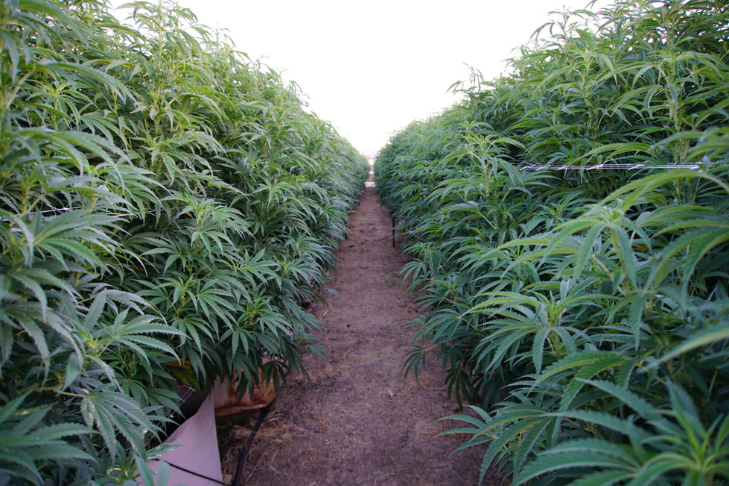
In recent years, there has been a renewed interest in hemp and its potential benefits. Hemp has gained popularity as a sustainable and eco-friendly crop due to its ability to grow rapidly with minimal use of pesticides and fertilizers. Hemp fibers are also biodegradable and can be used as an alternative to synthetic fibers in various industries, including construction, automotive, and fashion.
Research has identified compounds in hemp known as cannabinoids, which are being studied for a range of potential wellness applications. Cannabidiol (CBD) is the most abundant cannabinoid in hemp, and it has gained attention among pet owners looking to support their pets' calm, comfort, and overall wellness.
Hemp for Pets
The use of CBD derived from hemp in pet products has gained traction in recent years. Pet owners are increasingly turning to CBD as a natural supplement to support their pets’ overall well-being. CBD for pets comes in various forms, including CBD oil, chews, and topicals.
The use of CBD for pets gained momentum in the early 2010s when a few pioneering companies, including Pet Releaf, started to develop CBD products specifically formulated for pets.
However, the legality of pet CBD was murky at first. In the United States, the 2018 Farm Bill, which Pet Releaf helped to pass, played a significant role in the legalization of hemp-derived CBD, including CBD for pets. The Farm Bill removed hemp from the list of controlled substances and classified it as an agricultural commodity, making it legal to cultivate, process, and sell hemp and hemp-derived products, including CBD, provided they contain no more than 0.3% delta-9 THC on a dry weight basis. THC is the primary psychoactive compound in cannabis.
This legalization opened the door for the use of hemp-derived CBD in pet products. As the legal landscape around CBD for pets became clearer, more companies started to enter the market, offering a wide range of CBD products specifically formulated for pets.
The popularity of pet CBD has grown significantly in recent years. Many pet owners are turning to CBD as a natural way to help manage their pet’s stress and discomfort.
Because of the recent popularity of pet CBD, pet owners should exercise caution when choosing CBD products for their pets. Not all CBD products are created equal, and the quality and safety of pet CBD products can vary. It’s important to look for a reputable brand like Pet Releaf that provides third-party lab testing to ensure the purity and potency of their products.
Understanding hemp's agricultural history and sourcing can help consumers make informed purchasing decisions.
Full-Spectrum Hemp Products
Some pet wellness products are made with full-spectrum hemp extract, which contains naturally occurring hemp compounds, including cannabinoids, terpenes, and flavonoids, while remaining compliant with legal THC limits. Manufacturers may formulate these products to support overall wellness, but no hemp product should be expected to diagnose, treat, cure, or prevent disease. Pet owners should consult their veterinarian before introducing hemp products, particularly if their pet is taking prescription medications.
Ingredient Transparency
The long history of hemp cultivation underscores the importance of knowing where hemp is grown and how it is processed. Reputable manufacturers typically disclose the source of their hemp, describe their extraction methods, and provide detailed ingredient information so customers understand exactly what they're purchasing.
Third-Party Laboratory Testing
Independent laboratory testing is one of the strongest indicators of product quality. Certificates of Analysis (COAs) from accredited third-party laboratories typically verify cannabinoid content and screen for contaminants such as heavy metals, pesticides, residual solvents, and microbial impurities. Reviewing current lab reports helps consumers confirm that a product matches its label.
Brands that emphasize transparent sourcing and rigorous quality testing help pet owners make more informed decisions while honoring hemp's long history as one of the world's most versatile and valuable plants.
Hemp Myths & Facts
Myth: Hemp is the same as marijuana.
Fact: Hemp and marijuana are two different varieties of the Cannabis plant. Although they belong to the same plant species, Cannabis sativa, they are bred and cultivated for different purposes. Hemp is specifically cultivated for its industrial uses and contains low levels of THC (tetrahydrocannabinol), the psychoactive compound found in marijuana. In contrast, marijuana is bred for its higher THC content and is primarily used for recreational or medicinal purposes.
Myth: Hemp can get you high.
Fact: Hemp-derived products, such as hemp seeds, hemp oil, and hemp-based textiles, do not contain enough THC to produce psychoactive effects. To be legally classified as hemp in the United States, a plant must contain no more than 0.3% delta-9 THC. Other countries set their own thresholds. This minimal THC content is not enough to induce a high, making hemp products non-intoxicating.
Myth: Hemp is not environmentally friendly.
Fact: Hemp is considered an environmentally friendly crop due to its sustainable and eco-friendly characteristics. Hemp generally requires less water than crops such as cotton, though it still needs consistent moisture during its vegetative growth stage. It typically requires fewer pesticides and herbicides than many conventional crops, though it does need adequate soil nutrients to produce a strong yield. Hemp's deep root system can help reduce soil erosion and improve soil structure when used in crop rotation. Additionally, hemp is a fast-growing plant that can reach maturity in a few months, making it a highly renewable and sustainable resource.
Popular posts

